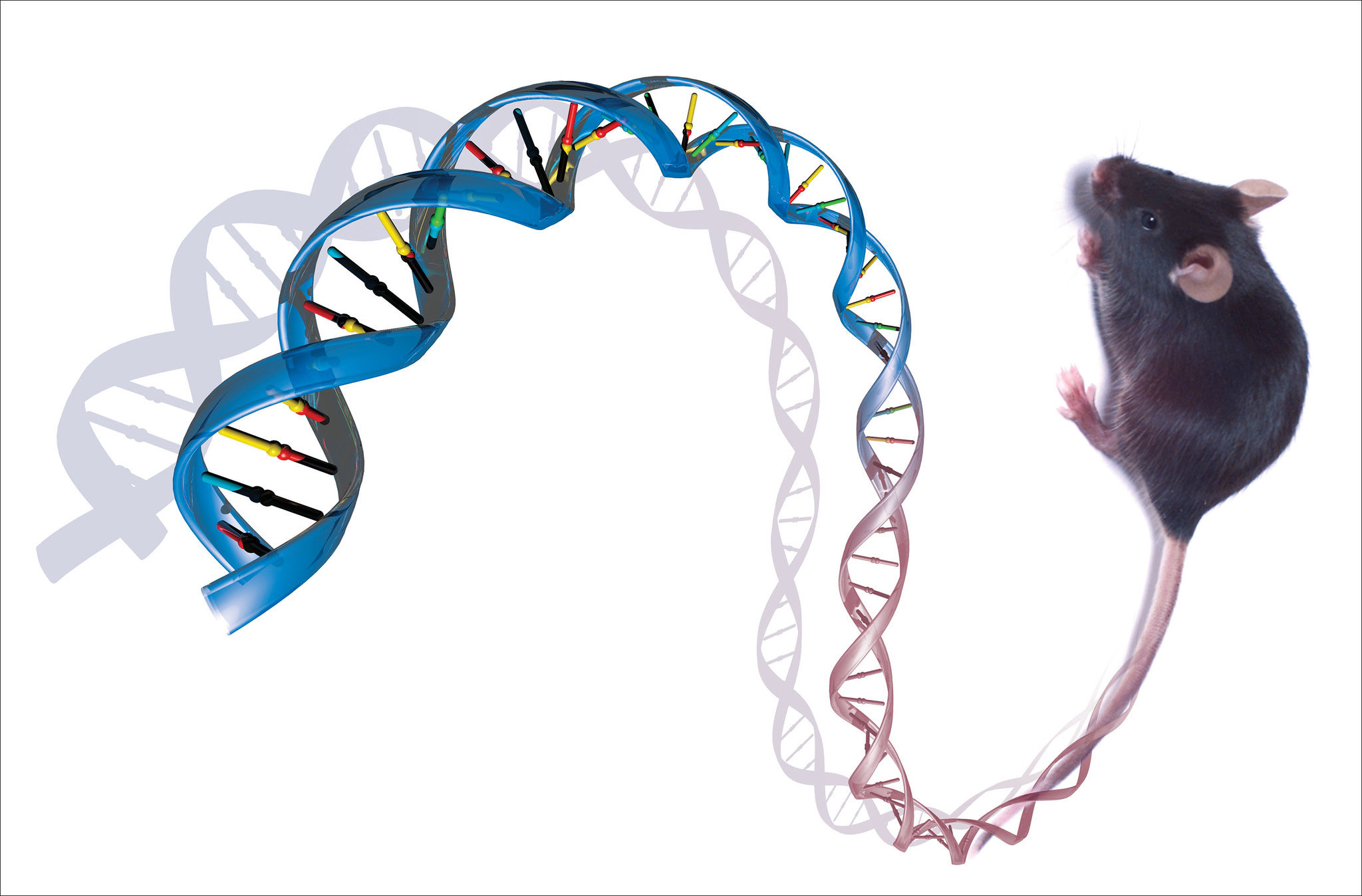
by Jeff Fisher This story begins in 1998 when I reviewed a technical document for the chemical perchlorate, now known to be widely distributed in the environment on earth and has been found in high concentrations on Mars. In 1998, the subject of this document was a proposed safe drinking water level for perchlorate based on historic medical use of perchlorate as a probe of thyroid function, in the diagnostic called the thyroid discharge test. This document changed …
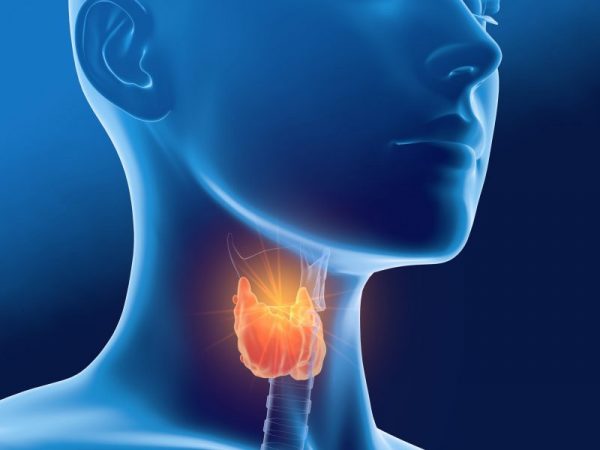
Advancing Neurotoxicity Screening of Environmental Compounds for Public Health Protection
Mamta Behl, M.S, Ph.D, D.A.B.T, explores the latest developments in neurotoxicity models. This method uses a combination of in vitro, in vivo extrapolation, and exposure assessment to rapidly screen compounds with neurotoxic potential and disseminate information in a timely manner for public health. What you’ll learn: A survey of the promising in vitro neurotoxic models How well these models have performed Use …
Using Short-term In Life Transcriptomic Studies to More Effectively Assess Dose Responses and Modes of Action
In the past, dose responses results from in life toxicology studies were used to estimate no observed effect levels (NOELs) and more recently benchmark doses (BMDs). These observational studies of apical endpoints were frequently followed up by mechanistic studies both in intact animals and in in vitro models to determine modes of action (MOAs) and lend support to using either linear or threshold-based low dose extrapolations. Over the past two decades, gene expression analysis …
Water Disinfection: Beneficial or Detrimental?
Disinfecting water reduces death by killing waterborne disease. But could the disinfection process also be detrimental to our health?